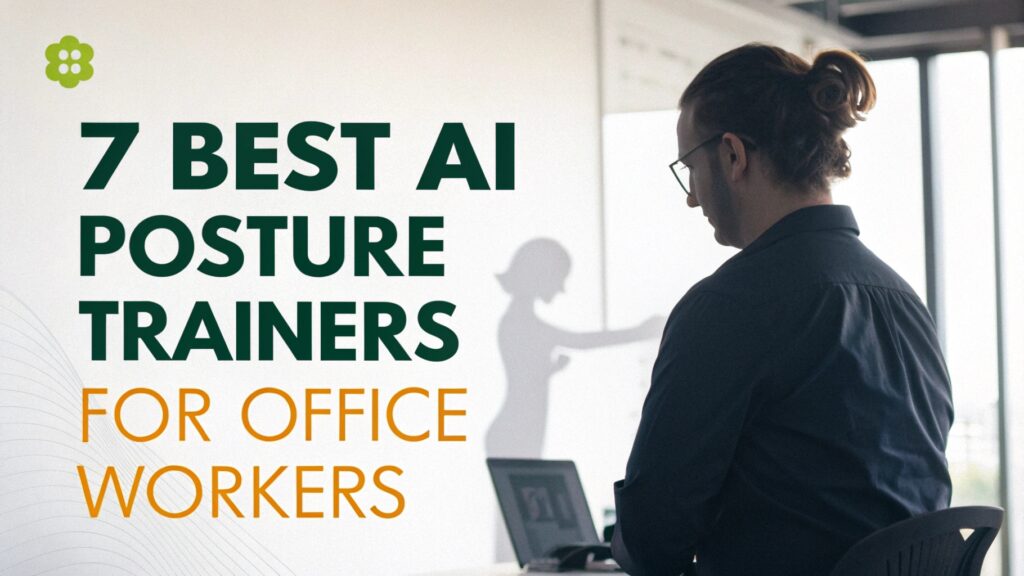
7 Best AI Posture Trainers for Office Workers
Poor posture at work destroys your health silently. Most office workers spend 8+ hours hunched over screens, creating a cascade of health problems.
Back pain, neck strain, and reduced productivity become daily struggles. AI posture trainers offer a revolutionary solution that works automatically.
These smart devices use advanced sensors and machine learning to monitor your posture throughout the workday. They provide gentle reminders when you slouch and help you build healthy habits naturally.
Key Takeaways
- Smart Technology Integration: AI posture trainers use advanced sensors, accelerometers, and gyroscopes to detect even subtle posture changes. They connect to smartphone apps that provide detailed analytics and progress tracking for your posture improvement journey.
- Real-Time Feedback System: These devices deliver immediate vibration alerts when poor posture is detected, helping you correct alignment instantly. The feedback system is customizable, allowing you to adjust sensitivity and reminder frequency based on your needs.
- Personalized Training Programs: AI algorithms analyze your posture patterns and create customized improvement plans. The devices adapt to your progress, gradually reducing reminder frequency as your natural posture improves over time.
- Comfortable Wearable Design: Modern AI posture trainers are lightweight, discreet, and designed for all-day wear. They attach easily with adhesive strips or magnetic clips, remaining virtually invisible under clothing during work hours.
- Long-Term Health Benefits: Regular use leads to stronger core muscles, reduced back pain, and improved confidence. Studies show significant posture improvement within 2-4 weeks of consistent use with these intelligent devices.
- Professional Validation: Physical therapists and chiropractors increasingly recommend AI posture trainers as effective tools for posture correction. They provide objective data that helps healthcare providers monitor patient progress more accurately.
Understanding AI Posture Training Technology
AI posture trainers represent a breakthrough in personal health technology. These devices use sophisticated sensors to monitor your spine alignment continuously. Advanced algorithms process this data to understand your unique posture patterns and habits. The technology learns from your behavior, becoming more accurate and personalized over time.
The core technology combines multiple sensor types including accelerometers, gyroscopes, and magnetometers. These sensors work together to create a complete picture of your body position and movement. Machine learning algorithms analyze this data to distinguish between normal movement and problematic posture patterns.
Real-time processing enables instant feedback when poor posture is detected. The AI system considers factors like duration of poor posture, severity of misalignment, and your personal improvement goals. This creates a highly personalized experience that adapts to your specific needs and progress level.
The smartphone integration provides detailed analytics and progress tracking. Users can view daily, weekly, and monthly posture reports. The apps often include educational content about proper posture and exercises to strengthen supporting muscles. This comprehensive approach addresses both immediate correction and long-term improvement.
Upright GO 2 Premium Smart Posture Trainer

The Upright GO 2 represents the gold standard in AI posture training technology. This award-winning device has helped thousands of office workers improve their posture naturally. The sleek, lightweight design attaches discreetly to your upper back using medical-grade adhesive strips.
Advanced sensor technology provides precise posture monitoring throughout your workday. The device vibrates gently when it detects slouching, creating an immediate awareness that helps you correct your position. The accompanying smartphone app offers detailed progress tracking and personalized training programs.
Training mode gradually builds your postural strength over time. The device starts with short training sessions and progressively increases duration as your muscles adapt. This approach prevents fatigue while building lasting posture habits. The app provides encouraging feedback and celebrates your progress milestones.
Battery life extends up to 30 days on a single charge, making it incredibly convenient for daily use. The device is water-resistant and comfortable enough for all-day wear. Multiple adhesive strips are included, and replacement packs are readily available.
Pros:
- Long 30-day battery life eliminates frequent charging
- Precise sensors provide accurate posture detection
- Comprehensive app with detailed analytics and progress tracking
- Gradual training programs prevent muscle fatigue
- Discreet design remains invisible under clothing
Cons:
- Adhesive strips need regular replacement (additional cost)
- Initial setup requires smartphone app installation
- May cause minor skin sensitivity with prolonged adhesive use
- Premium price point compared to basic posture correctors
Straight Plus AI Powered Posture Corrector

The Straight Plus device brings cutting-edge AI technology to posture correction. This innovative trainer uses artificial intelligence to learn your specific posture patterns and provide increasingly accurate feedback. The device combines smart sensors with an intelligent algorithm that adapts to your unique body mechanics.
Advanced AI learning sets this device apart from basic posture correctors. The system analyzes your posture data over time, identifying patterns and triggers that lead to poor posture. This information helps create personalized alerts and training programs that address your specific challenges.
The ergonomic design provides comfortable all-day wear without restricting movement. Unlike bulky traditional braces, this device works as an upper back brace that supports natural movement while providing gentle correction cues. The smart technology ensures you receive feedback only when necessary.
Professional-grade sensors deliver clinical-level accuracy in posture monitoring. The device can detect subtle changes in spine alignment that might go unnoticed otherwise. This precision helps prevent minor postural problems from developing into chronic pain conditions.
Pros:
- AI learning algorithm becomes more personalized over time
- Professional-grade sensors provide clinical accuracy
- Ergonomic design allows natural movement during work
- Supports both immediate correction and long-term training
- Works effectively for various body types and sizes
Cons:
- Higher price point reflects advanced AI technology
- Learning curve required to understand all features
- May take time for AI to fully adapt to individual patterns
- Requires consistent use for optimal AI learning benefits
P1 Smart Posture Trainer with Real-Time App Control

The P1 Smart Posture Trainer offers real-time app control that puts posture management at your fingertips. This innovative device connects wirelessly to your smartphone, providing instant posture updates and customizable feedback settings. The strapless design eliminates bulky harnesses while maintaining effective monitoring.
Wireless connectivity enables seamless integration with your daily routine. The companion app displays your current posture status, daily statistics, and improvement trends. You can adjust sensitivity settings, customize vibration patterns, and set personal goals directly from your phone.
The strapless design represents a major advancement in wearable posture technology. Traditional devices often use uncomfortable straps that can restrict movement or cause chafing. This innovative approach provides effective monitoring without compromising comfort or mobility during long work sessions.
Real-time monitoring keeps you constantly aware of your posture status. The app dashboard shows live feedback, helping you understand how different activities affect your spine alignment. This immediate awareness accelerates the learning process and helps build better posture habits more quickly.
Pros:
- Strapless design eliminates discomfort from traditional straps
- Real-time app control allows immediate customization
- Wireless connectivity provides seamless smartphone integration
- Live posture monitoring increases awareness and learning speed
- Compact design remains discreet during professional meetings
Cons:
- Newer product with limited long-term user reviews
- Requires smartphone proximity for full functionality
- Battery life may be shorter due to continuous wireless connection
- Setup process might be complex for less tech-savvy users
Smart Posture Corrector with Vibration Intelligence

This intelligent vibration system provides gentle yet effective posture reminders throughout your workday. The device uses advanced sensors to detect slouching and responds with customizable vibration patterns. The smart algorithm learns your posture preferences and adjusts reminder frequency accordingly.
Adaptive vibration technology ensures you receive appropriate feedback without becoming desensitized to alerts. The system varies vibration intensity and duration based on the severity and duration of poor posture. This intelligent approach maintains effectiveness while preventing alert fatigue.
The universal design accommodates various body types and work environments. Whether you’re sitting at a desk, standing at a workstation, or moving between locations, the device provides consistent monitoring. The adjustable settings make it suitable for women, men, and teenagers.
Intelligent posture reminders help develop lasting habits through consistent feedback. The device tracks your improvement over time and gradually reduces reminder frequency as your natural posture improves. This approach builds genuine postural strength rather than creating dependence on the device.
Pros:
- Adaptive vibration prevents alert fatigue over time
- Universal design fits various body types and ages
- Intelligent learning reduces dependency as posture improves
- Affordable price point makes it accessible to most users
- Simple operation requires minimal setup or technical knowledge
Cons:
- Basic app functionality compared to premium devices
- Limited customization options for advanced users
- Shorter battery life requires more frequent charging
- May not provide the precision needed for severe posture problems
Intelligent Posture Corrector with Automatic Induction

The automatic induction technology in this device provides hands-free posture monitoring without manual activation. The intelligent sensors automatically detect when you’re in a position that requires monitoring and begin tracking immediately. This seamless operation eliminates the need to remember to turn the device on or off.
Rechargeable silicone construction combines durability with comfort for extended wear. The medical-grade silicone material is hypoallergenic and comfortable against skin, making it suitable for sensitive users. The rechargeable battery eliminates ongoing costs for disposable batteries.
Hanging neck design offers an alternative wearing method that some users find more comfortable than back-mounted devices. This positioning can be particularly effective for monitoring forward head posture, a common problem among desk workers who crane their necks toward computer screens.
Automatic induction sensors work continuously without user intervention. The device monitors your posture patterns throughout the day and provides feedback when correction is needed. This passive monitoring approach integrates naturally into your work routine without requiring conscious activation.
Pros:
- Automatic induction eliminates need for manual activation
- Rechargeable design reduces ongoing battery costs
- Medical-grade silicone provides comfortable, hypoallergenic wear
- Alternative neck positioning offers different monitoring approach
- Suitable for users with back sensitivity issues
Cons:
- Neck positioning may not be suitable for all clothing styles
- Limited reviews make long-term reliability uncertain
- May be visible depending on neckline of clothing
- Automatic sensors might occasionally trigger false alerts
Smart Posture Reminder with Portable Design

This portable smart reminder focuses on simplicity and ease of use for busy professionals. The compact design makes it easy to transport between home and office, ensuring consistent posture monitoring regardless of your work location. The device provides essential posture feedback without complicated setup procedures.
Upper back support integration combines passive support with active monitoring. The device provides gentle physical support while simultaneously monitoring your posture patterns. This dual approach helps both immediate comfort and long-term postural improvement.
Vibration reminders are calibrated to provide effective alerts without being disruptive in professional environments. The gentle vibrations are noticeable to the wearer but won’t disturb colleagues during meetings or phone calls. Multiple intensity levels allow customization for different sensitivity preferences.
Preventive hunchback technology specifically targets forward head posture and rounded shoulders. These are the most common postural problems among desk workers and can lead to serious health issues over time. The device’s algorithms are optimized to detect and correct these specific alignment problems.
Pros:
- Portable design enables consistent use across multiple locations
- Combines passive support with active monitoring technology
- Discreet vibrations won’t disturb professional environments
- Specifically targets common desk worker posture problems
- Simple operation appeals to users who prefer basic functionality
Cons:
- Limited advanced features compared to premium devices
- Shorter battery life may require frequent charging
- Basic app functionality provides minimal analytics
- May not provide sufficient support for severe posture issues
Benefits of AI Posture Trainers for Desk Workers
AI posture trainers deliver measurable health improvements that extend far beyond simple posture correction. Regular use strengthens core muscles, reduces chronic back pain, and improves overall spinal health. Many users report increased energy levels and reduced fatigue during long work sessions.
Productivity enhancement represents a significant but often overlooked benefit. Proper posture improves breathing efficiency, which increases oxygen flow to the brain. This enhanced cognitive function leads to better focus, decision-making, and overall work performance. Studies show that workers with good posture report higher job satisfaction and reduced stress levels.
Pain prevention is more effective and economical than treating chronic conditions later. AI posture trainers help identify and correct problematic patterns before they develop into serious musculoskeletal issues. This proactive approach can prevent costly medical treatments and time away from work.
Confidence improvement occurs naturally as posture improves. Good posture projects authority, competence, and self-assurance in professional settings. Many users report feeling more confident during presentations, meetings, and networking events after improving their posture with AI trainers.
The habit formation aspect creates lasting change that continues even when not wearing the device. AI trainers gradually train your muscle memory to maintain proper alignment naturally. This sustainable approach builds genuine postural strength rather than creating device dependence.
How to Choose the Right AI Posture Trainer
Sensor accuracy should be your primary consideration when selecting an AI posture trainer. High-quality sensors provide precise feedback that leads to better results. Look for devices that use multiple sensor types and have been clinically tested for accuracy. Read user reviews specifically mentioning the device’s ability to detect subtle posture changes.
Comfort and wearability directly impact your consistency of use. The most effective device is the one you’ll actually wear daily. Consider your clothing preferences, skin sensitivity, and work environment when evaluating different designs. Some devices work better under certain types of clothing or in specific work settings.
App functionality varies significantly between different AI posture trainers. Evaluate the smartphone app’s features, user interface, and compatibility with your device. Look for apps that provide detailed analytics, progress tracking, and educational content. The app quality often determines your long-term engagement with the device.
Battery life affects the convenience and ongoing cost of use. Devices with longer battery life require less maintenance and are more likely to be used consistently. Consider both the initial battery life and the availability of replacement batteries or charging options. Some devices offer weeks of use on a single charge, while others may require daily charging.
Price and value should reflect the device’s features and your specific needs. Premium devices often provide more accurate sensors, better apps, and longer durability. However, basic devices may be sufficient for users with mild posture issues or those new to posture training. Consider the long-term health benefits when evaluating the cost.
Setting Up Your AI Posture Trainer for Success
Proper device placement is crucial for accurate monitoring and effective feedback. Most AI posture trainers should be positioned at the upper back, typically between the shoulder blades. Follow the manufacturer’s specific placement instructions carefully, as even small positioning differences can significantly impact accuracy.
App configuration should reflect your personal goals and work environment. Set realistic targets that challenge you without causing frustration. Start with shorter training sessions and gradually increase duration as your posture strength improves. Customize vibration intensity to be noticeable but not disruptive to your work.
Calibration procedures help the device learn your specific body mechanics and posture patterns. Most AI trainers require an initial calibration where you demonstrate both good and poor posture positions. Take time to perform this calibration accurately, as it forms the foundation for all future feedback.
Environmental considerations can affect device performance and comfort. Consider factors like clothing thickness, ambient temperature, and activity levels throughout your workday. Some devices may need adjustment for different seasons or work environments. Plan for these variations during your initial setup.
Consistency establishment determines your long-term success with posture training. Develop a routine for putting on the device, checking battery levels, and reviewing progress data. Set daily reminders until using the device becomes an automatic habit. Track your usage patterns to identify and address any consistency challenges.
Maximizing Results with Your AI Posture Trainer
Progressive training approaches yield better long-term results than attempting immediate perfection. Start with short training sessions of 15-30 minutes and gradually increase duration as your muscles adapt. This approach prevents fatigue and builds sustainable posture habits without overwhelming your system.
Complementary exercises enhance the effectiveness of AI posture training significantly. Focus on strengthening core muscles, stretching tight chest muscles, and improving shoulder blade mobility. Many device apps include recommended exercises that target the specific muscle groups supporting good posture.
Workplace ergonomics should be optimized alongside AI posture training for maximum benefit. Adjust your monitor height, keyboard position, and chair settings to support natural posture. The best posture trainer cannot overcome a fundamentally flawed workspace setup. Consider investing in ergonomic accessories that complement your posture training efforts.
Progress tracking helps maintain motivation and identify areas needing additional focus. Review your posture data regularly to understand patterns and trends. Many users find that weekly progress reviews help maintain engagement and celebrate improvements. Use the data to adjust your training approach and set new goals.
Lifestyle integration ensures that posture improvements extend beyond work hours. Practice good posture during daily activities like driving, watching television, and using mobile devices. The goal is to develop consistent postural awareness that becomes automatic in all situations, not just when wearing the device.
Common Mistakes to Avoid with AI Posture Trainers
Overreliance on the device can prevent the development of natural postural strength. AI trainers should be viewed as temporary training tools, not permanent solutions. Gradually reduce usage as your natural posture improves, while continuing to monitor progress periodically. The goal is to build independent postural control.
Ignoring underlying issues that contribute to poor posture limits long-term success. Address factors like weak core muscles, tight hip flexors, or poor workplace ergonomics. AI trainers work best when combined with a comprehensive approach that addresses all contributing factors to postural problems.
Inconsistent usage undermines the device’s effectiveness and delays results. Sporadic use prevents the formation of new muscle memory patterns and habit development. Treat posture training like any other fitness program that requires consistent effort to achieve results. Set realistic usage goals and track your compliance.
Improper calibration leads to inaccurate feedback and reduced effectiveness. Take time to perform initial setup procedures correctly and recalibrate periodically as your posture improves. Poor calibration can result in missed alerts or false alarms that reduce the device’s training value.
Setting unrealistic expectations can lead to disappointment and abandonment of posture training efforts. Significant posture improvements typically take 2-8 weeks of consistent use. Focus on gradual progress rather than immediate transformation. Celebrate small improvements and maintain patience with the process.
Frequently Asked Questions
How long does it take to see results with an AI posture trainer?
Most users notice initial improvements within 1-2 weeks of consistent use. Significant postural changes typically occur after 4-6 weeks of regular training. The timeline depends on factors like current posture severity, consistency of use, and complementary exercises. Some users report immediate awareness improvements that lead to better posture habits even before physical changes occur.
Are AI posture trainers safe for all-day wear?
High-quality AI posture trainers are designed for extended wear with proper breaks. Most devices recommend starting with shorter sessions and gradually increasing duration. Take periodic breaks to prevent skin irritation and allow muscles to rest. If you experience any discomfort, reduce usage time and consult the device manual for guidance.
Can AI posture trainers replace physical therapy for posture problems?
AI posture trainers are valuable supplements to professional treatment but should not replace medical advice for serious conditions. They work well for mild to moderate posture issues and prevention. For chronic pain or severe postural problems, consult a healthcare provider before starting any posture training program. Many physical therapists recommend AI trainers as part of comprehensive treatment plans.
Do AI posture trainers work for people who stand all day?
Many AI posture trainers are effective for standing workers as well as desk workers. The devices monitor spine alignment regardless of your position. However, some devices are specifically designed for seated posture, so check the manufacturer’s recommendations. Standing workers may benefit from devices that also monitor weight distribution and leg positioning.
How do I know if my AI posture trainer is working correctly?
Proper function indicators include accurate detection of posture changes and appropriate feedback timing. Test the device by intentionally slouching and ensuring it provides alerts within the specified time frame. Review the app data to verify that it’s tracking your posture sessions and progress. If alerts seem random or unrelated to your actual posture, recalibration may be needed.
What should I do if the AI posture trainer causes skin irritation?
Skin irritation typically results from adhesive sensitivity or excessive wear time. Try using the device for shorter periods initially and gradually increase duration. Consider rotating placement slightly to avoid constant pressure on the same skin area. Some users find that applying a thin barrier like medical tape helps reduce direct skin contact while maintaining device function.

I’m Liza, the founder and author of Liza AI Blog, where I share my passion for artificial intelligence through insightful guides and updates. I’m dedicated to making AI accessible to everyone, and I strive to create a community that’s both informed and engaged. Through my blog, I aim to promote a deeper understanding and appreciation of AI and its potential to shape our future. You can reach me at lizaaiblog@gmail.com or follow me on social media to stay updated on the latest AI news and trends.