
Is Crayo AI Truly Worth the Hype? Complete Analysis
Content creators everywhere are talking about AI video tools that promise to revolutionize how we make viral clips.
Crayo AI has emerged as one of the most buzzed about platforms in this space. But does it actually deliver on its bold promises?
This comprehensive review cuts through the marketing noise to give you the real truth about whether Crayo AI deserves your time and money.
Key Takeaways:
Before diving into the detailed analysis, here are the most important points about Crayo AI that every potential user should understand:
- Pricing Reality: Crayo AI starts at $19 per month with no free trial available, making it a significant investment compared to competitors that offer free tiers and trial periods.
- Target Audience: The platform works best for creators focused on short form content like TikTok videos, YouTube Shorts, and Instagram Reels rather than long form video production.
- Mixed User Reviews: Real user feedback shows a 2.9 out of 5 star rating on review platforms, with complaints about billing issues, limited functionality, and inconsistent video quality alongside positive experiences.
- Feature Set: The tool excels at automating subtitles, voiceovers, and basic video assembly but lacks advanced editing capabilities that professional creators might expect.
- Revenue Model: Founded by young entrepreneurs Daniel Bitton and Musa Mustafa, the company generates substantial monthly revenue but faces criticism about customer service and refund policies.
- Competition Factor: Multiple alternatives like InVideo, Pictory, and Lumen5 offer similar features often with better pricing, free trials, and more comprehensive toolsets.
What Is Crayo AI and How Did It Start
Crayo AI is an artificial intelligence powered video creation platform that helps users produce short form content quickly. The tool focuses specifically on viral style videos for social media platforms like TikTok, Instagram Reels, and YouTube Shorts.
The company was founded by Daniel Bitton and Musa Mustafa, two young entrepreneurs who identified a gap in the market for automated video creation. Daniel, who was just 17 years old when the platform launched, previously found success creating content on Snapchat before pivoting to this business model.
The founders built Crayo AI after experiencing their own frustrations with time consuming video editing processes. They wanted to create a solution that could automate repetitive tasks like subtitle generation, voiceover creation, and basic video assembly. Their background in viral content creation gave them insights into what elements make videos successful on social media platforms.
Since launching in late 2023, the platform has attracted over one million users according to company claims. The rapid growth reflects the strong demand for AI powered content creation tools in the creator economy. However, this growth has also brought challenges related to customer support, billing practices, and maintaining service quality at scale.
The company operates with a subscription based business model, generating hundreds of thousands of dollars in monthly revenue. This success has made the young founders notable figures in the entrepreneurship space, though it has also attracted scrutiny about their business practices and customer treatment.
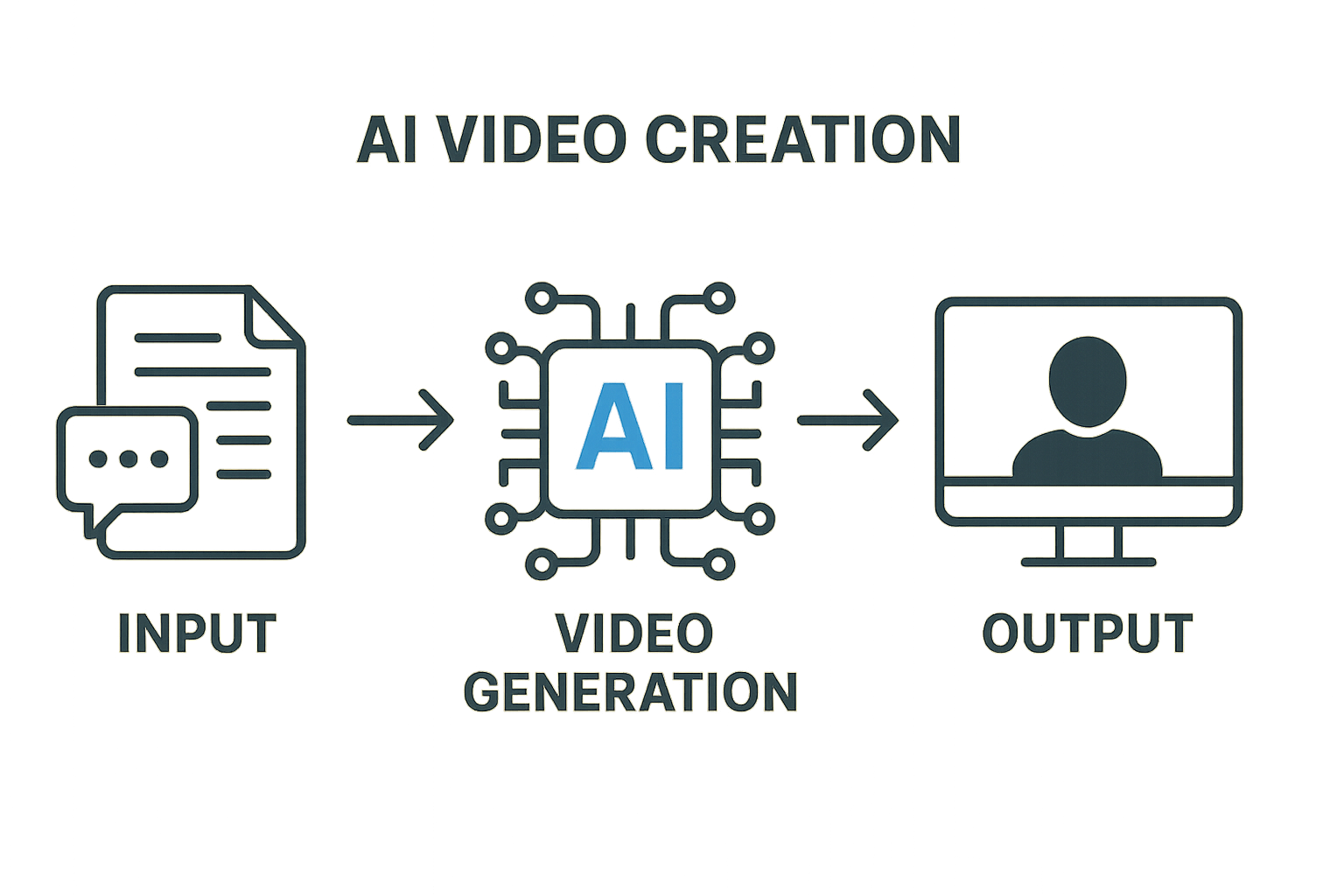
AI video creation workflow illustration showing the process from concept to viral content
How Crayo AI Actually Works Behind the Scenes
Understanding how Crayo AI operates helps explain both its strengths and limitations. The platform uses a three step process that simplifies video creation for users without technical expertise.
Step One involves script creation. Users can either input their own text or use the AI script generator feature. The tool analyzes trending topics and generates scripts optimized for social media engagement. This feature draws from templates and patterns that have performed well on platforms like TikTok and YouTube Shorts.
Step Two focuses on customization. Users select background videos from the platform library, choose AI generated voices from available options, and pick background music. The system offers various templates including split screen videos, fake text conversations, and story format videos that mimic popular social media trends.
Step Three handles the final assembly. The AI combines all selected elements into a completed video with automatic subtitle generation, timing synchronization, and export optimization for different social media platforms. The entire process typically takes just a few minutes from start to finish.
The platform uses cloud based processing to handle the computational requirements of video generation. This means users do not need powerful computers to create content, but they do need stable internet connections for uploads and processing. The system automatically optimizes videos for different aspect ratios and platform requirements.
Technical limitations become apparent in the customization options. While the platform automates many tasks effectively, users have limited control over fine tuning elements like timing, transitions, or advanced visual effects. This makes it suitable for basic content creation but potentially frustrating for users wanting more creative control.
Key Features That Make Crayo AI Stand Out
Crayo AI offers several distinctive features that differentiate it from general purpose video editing tools. These capabilities specifically target the needs of social media content creators looking to scale their output.
The AI script generator represents one of the platform most useful features. Users input basic topics or prompts, and the system creates structured scripts optimized for viewer engagement. The tool draws from successful content patterns and can generate scripts for various video types including story videos, educational content, and entertainment focused clips.
Automated subtitle generation saves creators significant time compared to manual captioning. The system analyzes audio tracks and generates synchronized subtitles with customizable styling options. This feature proves particularly valuable since many social media users watch videos with sound turned off, making captions essential for engagement.
The voice synthesis capabilities offer hundreds of AI generated voices across different languages, ages, and speaking styles. This feature enables creators to produce content without recording their own voiceovers, which appeals to those preferring faceless content creation. The voice quality varies but generally provides acceptable results for social media use.
Template variety includes popular formats like split screen videos, fake text message conversations, Reddit story videos, and gameplay highlight reels. These templates reflect trending content styles that tend to perform well on social media platforms. Users can customize templates with their own content while maintaining proven engagement patterns.
The content repurposing tools allow users to input YouTube links, Reddit posts, or other source material to automatically generate new video content. This feature helps creators transform existing content into fresh formats suitable for different platforms, potentially extending the reach of original material.
Export optimization automatically formats videos for different social media platforms with appropriate aspect ratios, file sizes, and quality settings. This removes the need for creators to understand technical specifications for each platform they want to target.
Pricing Plans and Real Value Analysis
Crayo AI operates on a subscription model with three main tiers, but the actual value proposition requires careful examination. The platform does not offer a free trial, which immediately distinguishes it from many competitors in the market.
The Hobby Plan costs $19 per month and includes basic video generation capabilities, limited exports per month, and access to the core feature set. This entry level pricing positions the tool as a premium option compared to alternatives that offer free tiers or lower starting prices.
The Clipper Plan at $39 per month provides increased export limits, priority processing, and additional template options. This tier targets more active content creators who need higher volume output. The price point reflects the platform positioning as a professional tool rather than a casual creation aid.
The Pro Plan reaches $79 per month with unlimited exports, premium voice options, and priority customer support. This pricing tier competes directly with professional video editing software, raising questions about whether the automated features justify the cost for serious creators.
Value comparison against competitors reveals mixed results. Tools like InVideo start at $15 per month with free trials, while Pictory and Lumen5 offer similar starting prices but include trial periods. The absence of a free trial makes it difficult for potential users to assess whether Crayo AI meets their needs before committing financially.
Hidden costs can emerge through the credit system that governs usage within each tier. Different features consume different amounts of credits, and users can exhaust their monthly allocation quickly if creating high volumes of content or using premium features extensively.
The annual payment discount offers 20 percent savings but requires upfront commitment without the ability to test the platform first. This pricing structure favors the company but creates risk for users who might discover the tool does not meet their expectations.

Comparison of Crayo AI with Leading Video Creation Tools
Real User Experiences and Review Analysis
Examining authentic user feedback reveals a mixed picture of Crayo AI performance and customer satisfaction. Review aggregation platforms show concerning patterns that potential users should understand before subscribing.
Trustpilot reviews present a 2.9 out of 5 star average rating based on over 127 reviews. This moderate score reflects significant variations in user experiences, with some creators praising the platform efficiency while others report serious issues with functionality and customer service.
Positive feedback frequently mentions the time saving benefits of automated video creation. Users appreciate the ability to produce content quickly without technical video editing skills. Several reviewers highlight the effectiveness of the subtitle generation and the variety of available voice options for creating faceless content.
Negative reviews consistently raise concerns about billing practices, with multiple users reporting unexpected charges and difficulty obtaining refunds. Some customers describe being charged for annual subscriptions they did not intentionally purchase, then facing challenges when attempting to cancel or receive refunds.
Functionality complaints include reports of features not working as advertised, videos failing to generate properly, and audio synchronization issues. Some users describe the platform as unreliable for consistent content production, which poses problems for creators dependent on regular posting schedules.
Customer service issues appear frequently in negative reviews. Users report slow response times, unhelpful support interactions, and difficulty resolving billing disputes. The company response rate to negative reviews shows improvement over time, but early experiences seem to have damaged trust with some users.
Success stories do exist among the reviews. Some content creators report achieving viral videos and increased social media engagement using Crayo AI generated content. These positive outcomes demonstrate the platform potential when it functions as intended, though they appear alongside numerous complaints about reliability and service quality.
Crayo AI vs Top Competitors Comparison
The AI video creation market includes several established players that offer alternative solutions to Crayo AI. Understanding these options helps potential users make informed decisions about which tool best serves their needs.
InVideo provides a more comprehensive video creation platform starting at $15 per month with a free trial available. The tool offers thousands of templates, extensive customization options, and both short form and long form video capabilities. InVideo includes more advanced editing features but requires a steeper learning curve than Crayo AI simplified approach.
Pictory specializes in transforming written content into videos, making it particularly useful for content repurposing. At $19 per month with a free trial, it matches Crayo AI pricing while offering more transparent billing and better customer service reputation. Pictory excels at blog to video conversion but offers fewer social media specific templates.
Lumen5 targets social media marketers with automated video creation starting at $19 per month. The platform includes a free tier with limitations, allowing users to test functionality before committing to paid plans. Lumen5 offers strong brand customization options and integrates well with marketing workflows.
Clipchamp operates as a more general purpose video editor with AI features starting at $12 per month. Microsoft ownership provides stability and integration with other productivity tools. While less specialized for viral content creation, it offers more flexibility for various video project types.
Feature comparison shows that Crayo AI strength lies in its social media optimization and ease of use for beginners. However, competitors often provide better value through free trials, more transparent pricing, superior customer service, and additional functionality that extends beyond short form content creation.
Pricing analysis reveals that Crayo AI premium positioning without a free trial puts it at a disadvantage. Most competitors allow users to test their platforms before purchasing, reducing the financial risk of trying new tools. This difference becomes particularly significant given the mixed reviews about Crayo AI reliability and customer service.
Who Should Actually Use Crayo AI
Crayo AI serves specific user types better than others based on its feature set, pricing model, and operational approach. Understanding the ideal user profile helps determine whether the platform fits particular content creation needs.
Beginner content creators who feel overwhelmed by traditional video editing software may find value in Crayo AI simplified approach. The platform eliminates many technical decisions that can paralyze newcomers, allowing them to focus on content ideas rather than editing mechanics. However, the lack of a free trial makes it a risky choice for beginners uncertain about their commitment level.
Social media focused creators producing primarily TikTok, Instagram Reels, and YouTube Shorts content represent the platform primary target audience. The templates and optimization features specifically address the needs of creators working within these short form formats. Creators focused on longer form content or other platforms will find limited value.
High volume content producers who prioritize speed over customization may benefit from the automated workflow. Creators managing multiple accounts or posting frequently can leverage the platform efficiency to maintain consistent output. The credit system and pricing tiers accommodate different volume needs, though costs can escalate quickly.
Faceless channel operators find particular value in the voice synthesis and automated visual generation features. The platform supports creators who prefer to remain off camera while still producing engaging content. The variety of AI voices and visual templates enables diverse content creation without personal appearance.
Budget conscious creators should carefully evaluate whether Crayo AI pricing delivers sufficient value compared to alternatives. The absence of a free trial and mixed customer service reviews create additional financial risks that may not suit creators with limited budgets or those testing different tools.
Professional content creators requiring advanced customization, precise control, or integration with existing workflows may find the platform too limiting. The automated approach that appeals to beginners can frustrate experienced creators who want specific creative control over their content.
Comprehensive Pros and Cons Analysis
Evaluating Crayo AI requires examining both its strengths and weaknesses to provide a balanced perspective for potential users. Real world usage reveals specific advantages and limitations that impact the overall user experience.
Primary advantages include the platform speed and efficiency for producing basic social media content. Users can generate videos in minutes rather than hours, which significantly accelerates content creation workflows. The automated subtitle generation and voice synthesis features eliminate time consuming manual tasks that traditionally slow down video production.
The user friendly interface appeals to creators without technical video editing experience. The simplified workflow reduces the learning curve compared to professional editing software, making video creation accessible to a broader audience. Template variety provides starting points for different content styles without requiring design expertise.
Social media optimization represents another strength, with automatic formatting for different platforms and aspect ratios. The tool understands the technical requirements of various social media platforms, saving creators from needing to learn platform specific specifications.
Significant disadvantages begin with the lack of a free trial, which prevents users from testing compatibility with their needs before financial commitment. This policy contrasts unfavorably with industry standards and increases the risk for potential subscribers.
Customer service issues appear consistently in user reviews, with reports of slow response times and difficulty resolving billing problems. The company handling of subscription management and refunds has generated numerous complaints that suggest systemic problems with customer support operations.
Limited customization options frustrate users who want more control over their content. While the automated approach serves beginners well, it can feel restrictive for creators with specific creative visions or branding requirements. The platform prioritizes speed over flexibility, which may not suit all user needs.
Reliability concerns emerge from user reports of features not working consistently and videos failing to generate properly. For creators dependent on regular content production, these technical issues can disrupt posting schedules and affect audience engagement.
Success Stories and Real Results Analysis
Examining concrete outcomes from Crayo AI users provides insight into the platform potential for generating actual results. Success stories offer valuable context for understanding when and how the tool delivers meaningful value.
Viral content achievement represents the most compelling success metric for social media creators. Some users report creating videos that achieved millions of views using Crayo AI generated content. These successes demonstrate the platform ability to produce content that resonates with social media algorithms and audiences.
Time savings quantification shows significant workflow improvements for successful users. Creators report reducing video production time from several hours to just minutes, allowing them to maintain more consistent posting schedules. This efficiency gain enables higher content volume, which often correlates with increased audience growth and engagement.
Monetization outcomes vary considerably among users. Some creators report increased revenue from higher content output and improved engagement rates. However, these results depend heavily on factors beyond the tool itself, including audience size, niche selection, and overall content strategy.
Channel growth metrics show mixed results in available case studies. While some users experience audience growth after adopting Crayo AI, others see little change in their performance metrics. Success appears to correlate more with content strategy and consistency than with the specific tool used for creation.
Business scaling examples include creators who use the platform to manage multiple accounts or produce content for clients. The automation features enable some users to expand their operations beyond what manual creation would allow, though this requires substantial monthly subscription costs across multiple accounts.
Failure analysis reveals that unsuccessful users often struggle with the platform limitations rather than benefiting from its strengths. Creators who need extensive customization, specific branding requirements, or integration with existing workflows frequently find the tool unsuitable for their needs.
The key success factors for Crayo AI users include having realistic expectations about customization limits, focusing on volume over perfection, and working within the platform preferred content styles rather than forcing it to accommodate outside creative visions.
Common Issues and Platform Limitations
Understanding the frequently reported problems with Crayo AI helps potential users make informed decisions and set appropriate expectations. These issues consistently appear across user reviews and feedback channels.
Billing and subscription problems top the list of user complaints. Multiple customers report being charged for services they did not authorize, difficulty canceling subscriptions, and challenges obtaining refunds. Some users describe being automatically enrolled in annual plans when they intended to purchase monthly subscriptions.
Technical reliability issues include videos failing to generate, audio synchronization problems, and features not working as advertised. These technical problems can disrupt content creation workflows and force users to seek alternative solutions when facing deadlines. System downtime and processing delays also affect user productivity.
Limited customization capabilities frustrate users who want more control over their content. The platform automated approach, while efficient, restricts creative flexibility. Users cannot fine tune timing, transitions, or visual effects beyond the predetermined options, which may not align with specific brand requirements or creative visions.
Voice quality inconsistencies affect the professional appearance of generated content. While the platform offers numerous AI voice options, the quality varies significantly between different voices and speaking styles. Some voices sound obviously artificial, which may not suit all content types or audience expectations.
Customer support responsiveness problems create additional frustration when users encounter technical or billing issues. Review feedback indicates slow response times, unhelpful initial responses, and difficulty reaching knowledgeable support staff. These service quality issues compound other platform problems and damage overall user satisfaction.
Export and quality limitations restrict the professional use of generated content. Some users report inconsistent video quality, compression artifacts, and formatting issues that affect the final output. The platform may not meet the technical standards required for certain professional applications or high end content production.
Credit system complexity creates confusion about actual usage costs within subscription tiers. Different features consume varying amounts of credits, and users can exhaust their monthly allocation unexpectedly. This system makes it difficult to predict actual costs for specific content creation workflows.
Final Verdict: Is Crayo AI Worth Your Investment
After examining user experiences, features, pricing, and alternatives, the question remains whether Crayo AI justifies its cost and delivers on its promises. The answer depends significantly on specific user needs and expectations.
For complete beginners in video creation, Crayo AI offers genuine value through its simplified workflow and automated features. The platform eliminates many barriers that prevent newcomers from creating content, though the lack of a free trial adds financial risk. Users willing to invest $19 monthly for learning and experimentation may find it worthwhile.
For experienced creators seeking advanced customization and professional quality output, the platform likely falls short of expectations. The automated approach that benefits beginners becomes limiting for users with specific creative requirements or existing workflows. Alternative tools may better serve this audience.
Cost benefit analysis reveals that Crayo AI premium pricing without a free trial creates substantial risk compared to competitors. The $19 monthly starting cost without the ability to test functionality first means users must commit financially before determining platform suitability. This policy disadvantages Crayo AI against alternatives offering trial periods.
Customer service concerns represent a significant risk factor that potential users should consider carefully. The documented issues with billing, refunds, and support responsiveness suggest that users may face difficulties if problems arise. This risk factor weighs heavily against the platform benefits.
Technical reliability questions based on user feedback indicate that the platform may not deliver consistent performance for users dependent on reliable content production. Creators with strict posting schedules or professional commitments may find the reported technical issues unacceptable.
Alternative availability strengthens the argument against Crayo AI adoption. Multiple competitors offer similar features with better pricing, free trials, superior customer service, or more comprehensive functionality. The competitive landscape provides numerous options that may better serve most user needs.
Final recommendation suggests that most potential users should explore alternatives before considering Crayo AI. The combination of premium pricing, no free trial, customer service issues, and strong competition makes it difficult to recommend as a first choice for AI powered video creation.
Specific use case exception exists for users who specifically need the exact feature combination that Crayo AI provides and are willing to accept the associated risks. However, this represents a narrow slice of the potential user base rather than a general recommendation.
FAQs
Is Crayo AI safe to use?
Yes, Crayo AI is generally safe to use from a security perspective. The platform uses standard web security practices and does not appear to have any malware or data security issues. However, users should be aware of billing practices and subscription terms to avoid unexpected charges.
Can I cancel my Crayo AI subscription easily?
User reviews suggest that canceling Crayo AI subscriptions can be challenging. Multiple customers report difficulties with the cancellation process and problems obtaining refunds. It is important to carefully read subscription terms and consider contacting customer support well before renewal dates if you plan to cancel.
Does Crayo AI offer a free trial?
No, Crayo AI does not offer a free trial. This distinguishes it from many competitors in the AI video creation space. Users must commit to a paid subscription without being able to test the platform functionality first, which increases the financial risk of trying the service.
What types of videos work best with Crayo AI?
Crayo AI performs best with short form social media content, particularly TikTok videos, Instagram Reels, and YouTube Shorts. The platform specializes in viral style content including story videos, split screen formats, fake text conversations, and faceless content creation. It is less suitable for long form content or highly customized video projects.
How does Crayo AI pricing compare to competitors?
Crayo AI pricing starts at $19 per month, which is competitive with some alternatives but higher than others. However, the lack of a free trial makes it more expensive in practice than competitors like InVideo ($15 with trial), Lumen5 (free tier available), or Clipchamp ($12 with trial). The total cost of ownership may be higher due to limited customization requiring additional tools.
What should I do if I have problems with Crayo AI?
If you encounter issues with Crayo AI, contact their customer support through their website chat or email system. Document any billing issues with screenshots and keep records of all communications. For billing disputes, you may need to contact your bank or credit card company if the company does not respond adequately. Consider the customer service reputation when deciding whether to subscribe initially.

I’m Liza, the founder and author of Liza AI Blog, where I share my passion for artificial intelligence through insightful guides and updates. I’m dedicated to making AI accessible to everyone, and I strive to create a community that’s both informed and engaged. Through my blog, I aim to promote a deeper understanding and appreciation of AI and its potential to shape our future. You can reach me at lizaaiblog@gmail.com or follow me on social media to stay updated on the latest AI news and trends.